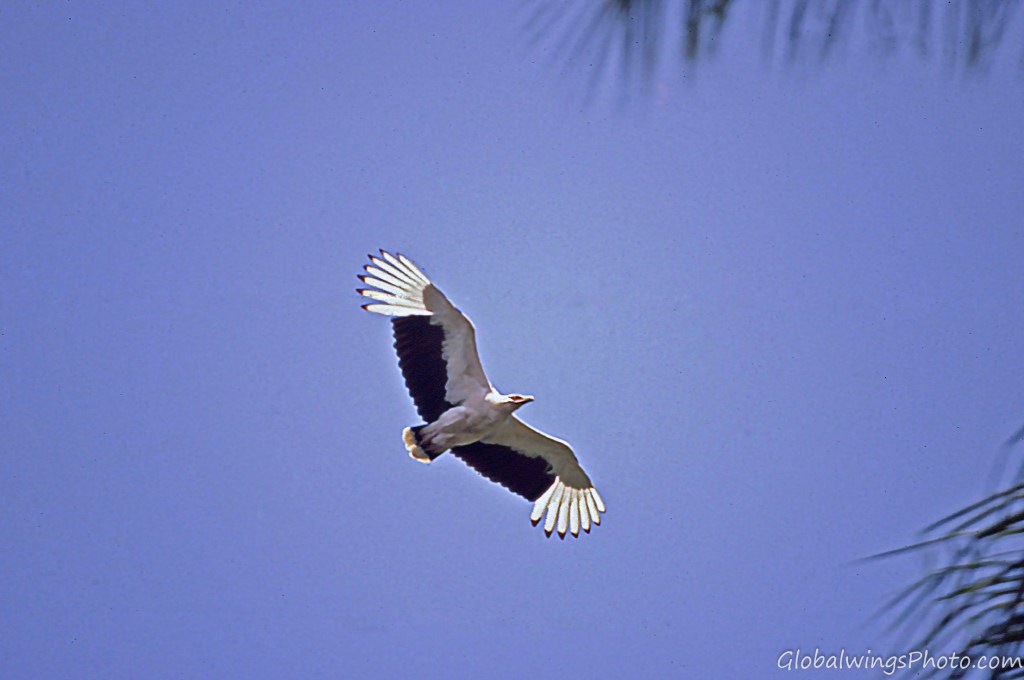
The first old world vulture presented is the Palmnut Vulture (Photo 21), which reminds one about the King Vulture. It is debated whether this raptor really is a vulture or a mix with an eagle, a vulturine eagle, chiefly because it is no scavenger but mainly eats fruits, namely those of the Raffia palm. It is LC, while the population is stable and widespread throughout most of the African continent.
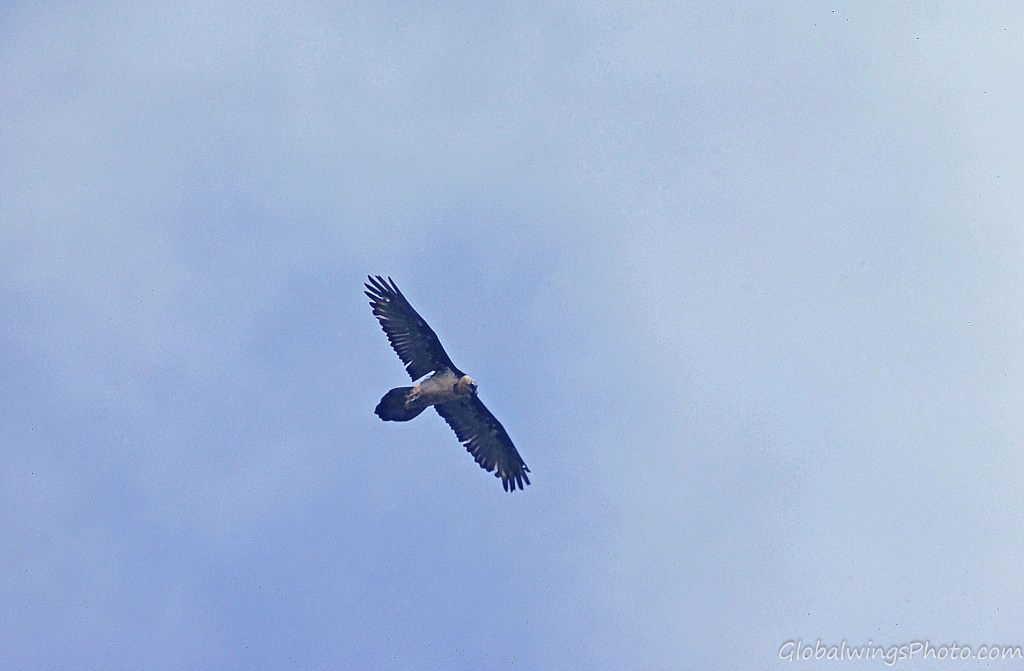
The Bearded Vulture is a vulture but does not look like one, more like a very large falcon and also being agile as that one, the adult on Photo 22 and the immature on Photo 23. I have seen it mainly in Nepal but also in Kenya and Greece. The RLS is NT and the PS is 2,000-10,000 individuals and decreasing. In Europe, the situation is the opposite, since the population of 1,200-1,600 is increasing heavily through rescue operations, especially in the Alpes.
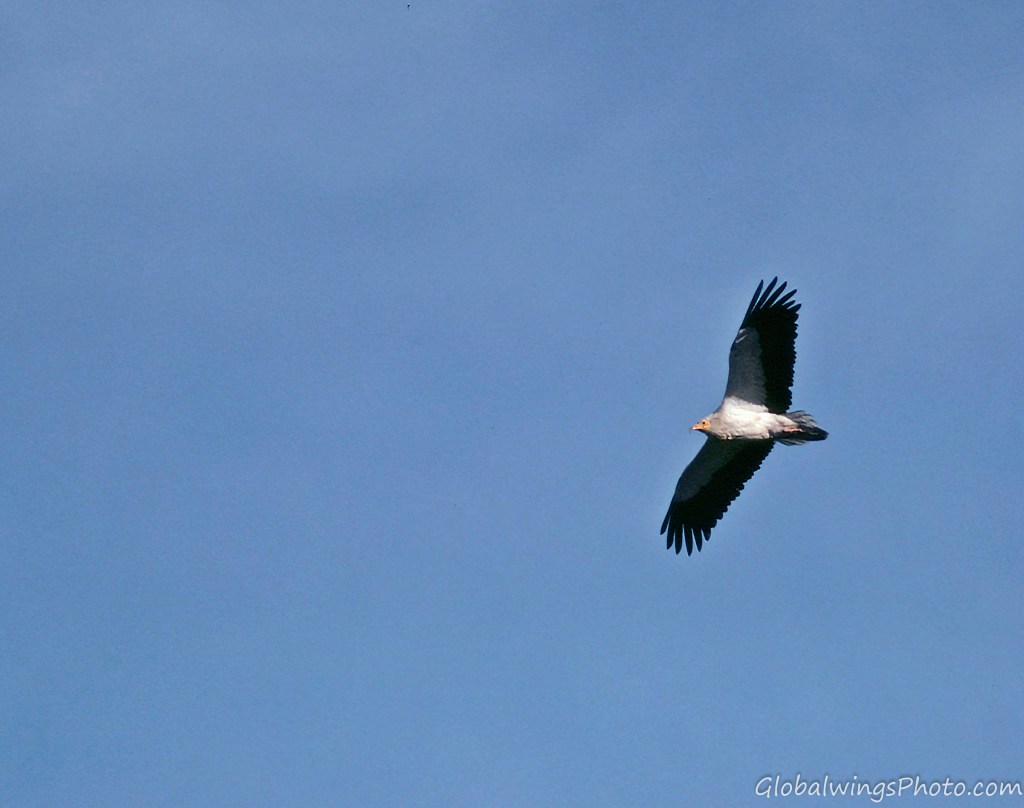
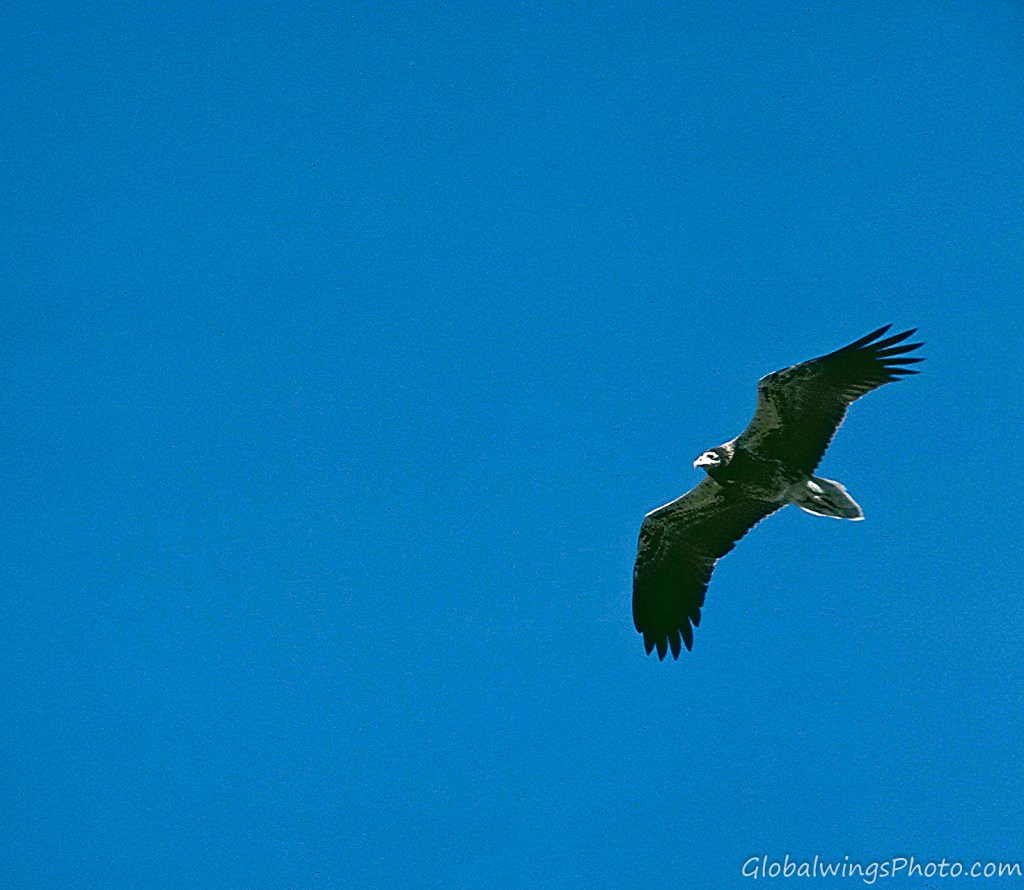
The rather typical adult Egyptian Vulture is seenon Photo 24 and the immature on Photo 25. I only found them to be common in India, in the 1980’s, but where it lately is decreasing heavily due to mainly being poisoned. The RLS is EN. The PS is about 20,000-61,000, while its size in Europe is estimated as 9,900-15,150.
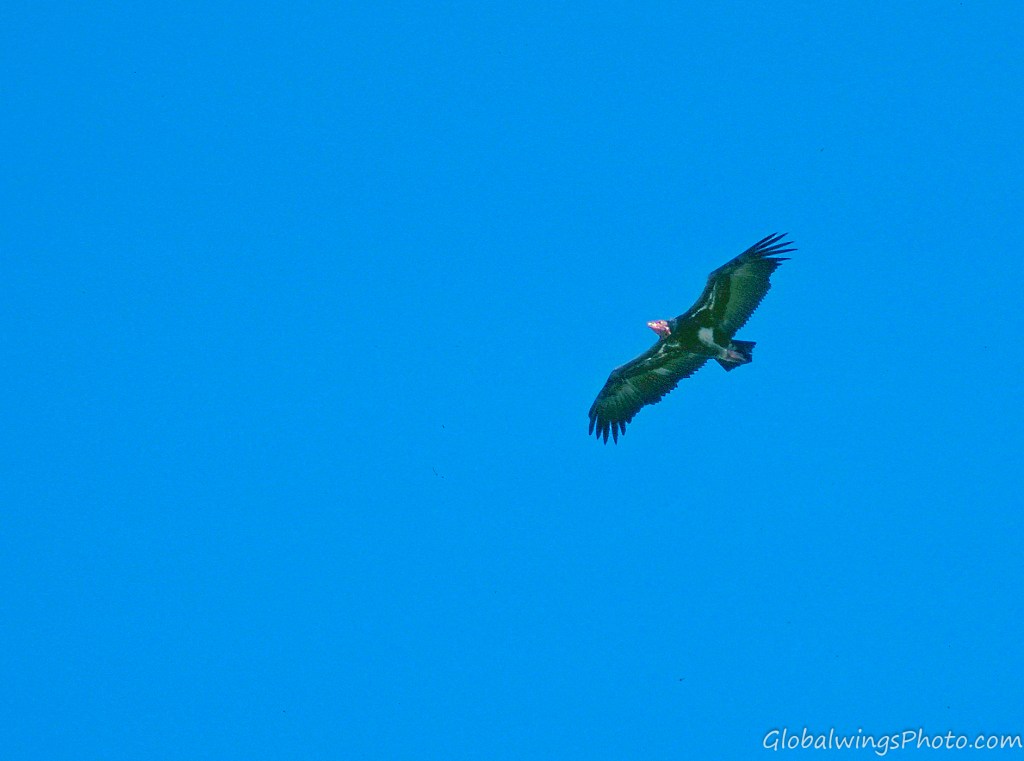
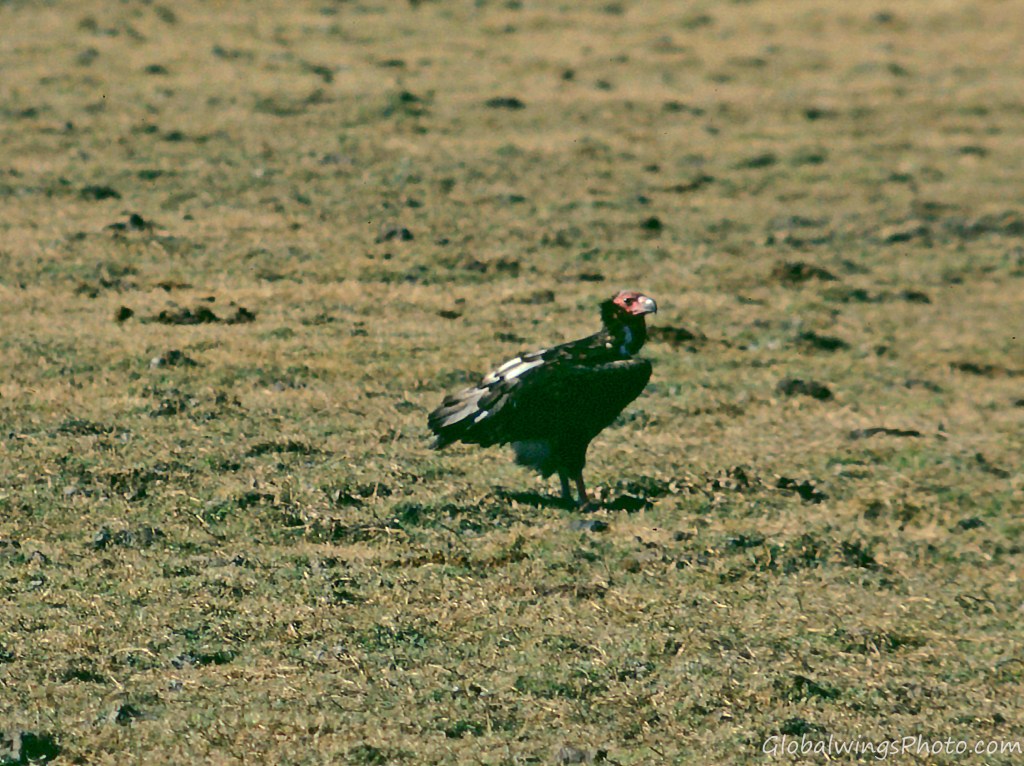
The Red-headed Vulture (Photos 26-27) is easy to distinguish from other Asian vultures through the red head, black body and wings. The RLS is CR and the population on the Indian subcontinent with small disjunct populations in some parts of Southeast Asia is decreasing.

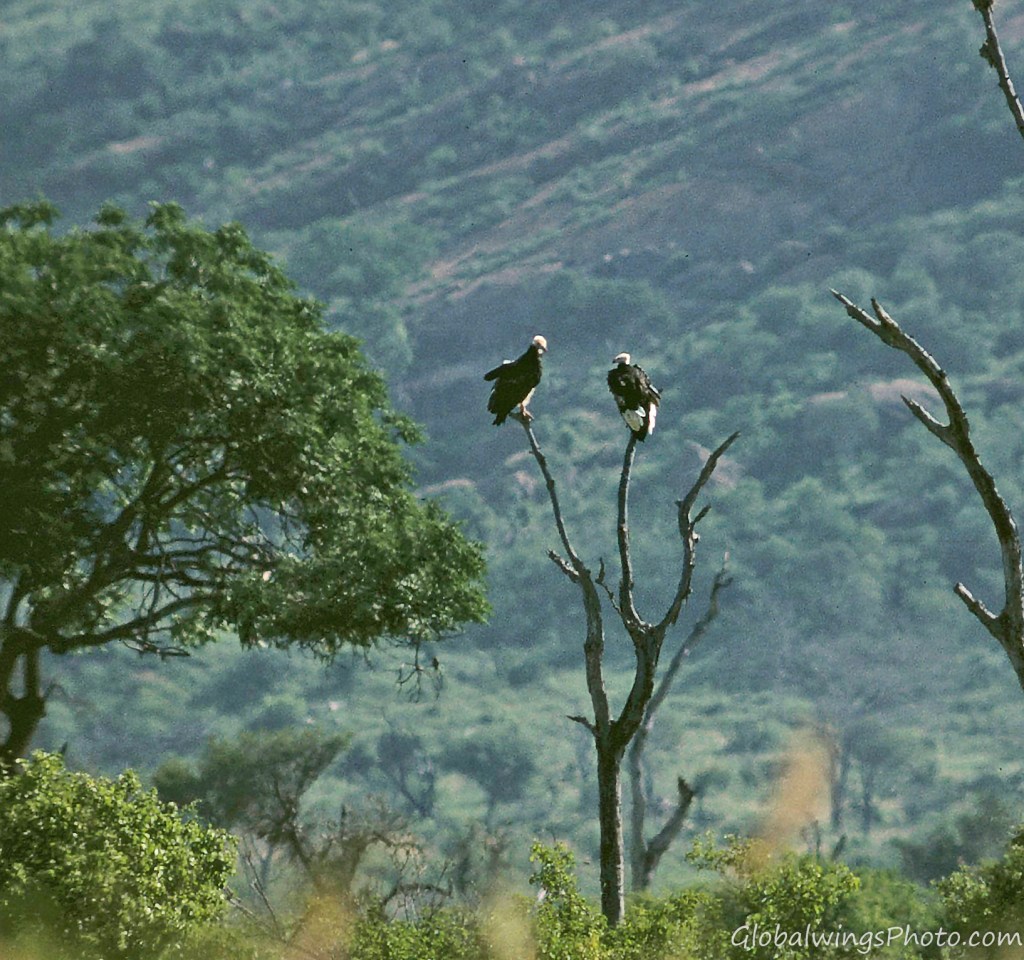
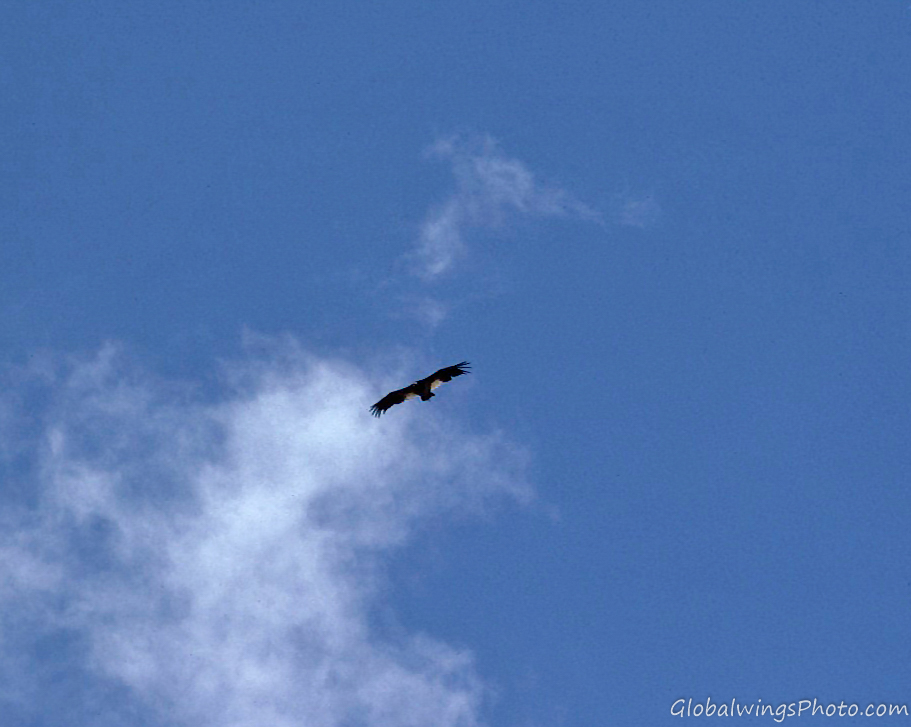
The White-headed Vulture (Photos 28-29) is also very characteristic through its white head and thighs against the black other parts. The female also has white inner secondaries. The RLS is CR. Populations have been declining steeply in recent years due to habitat degradation and poisoning of vultures at carcasses.
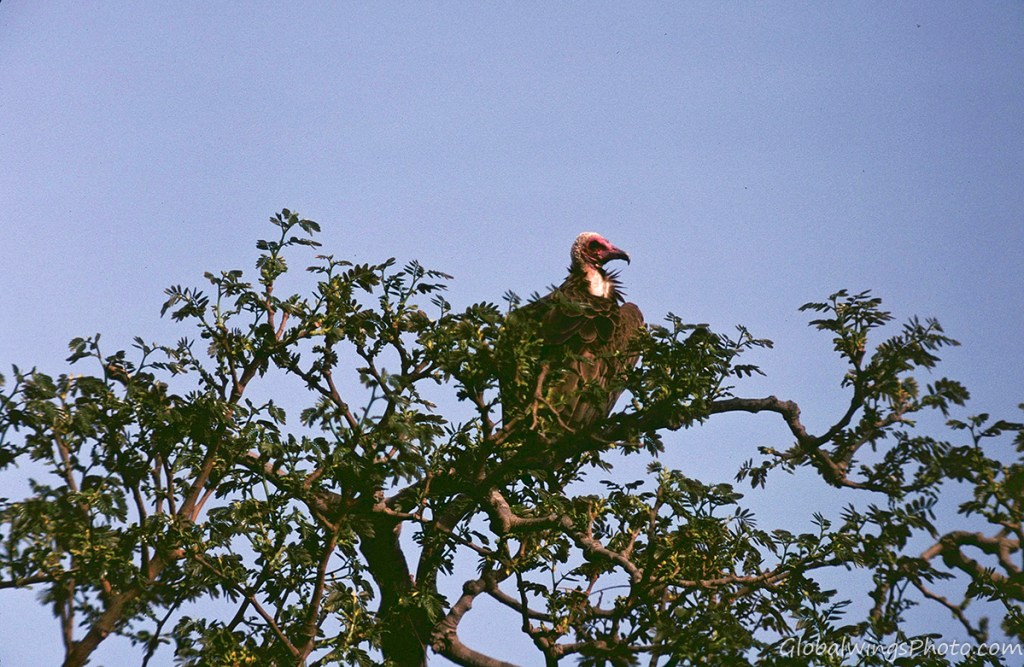
Adults of its close relative the Hooded Vulture (Photo 30) is also typical through its read face contrasting with its mainly dark-brown body and wings. The RLS is CR. The dramatic decline to the present population of 197,000 is due to increasing use of poisoning, as well as hunting for use in traditional medicine, as bushmeat and the deliberate mis-selling as chicken.
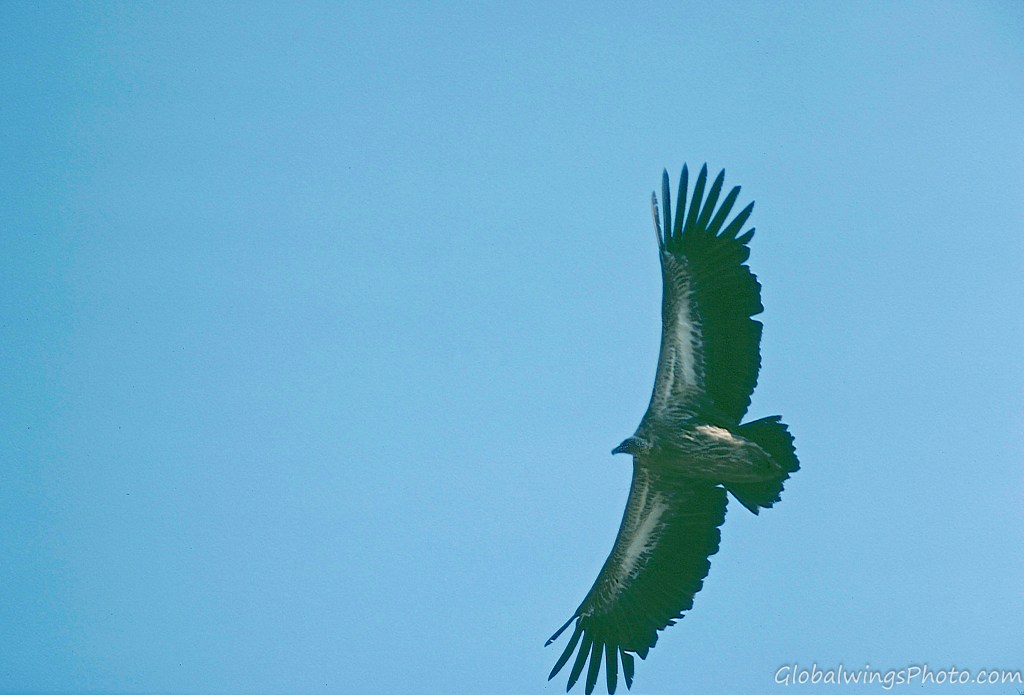
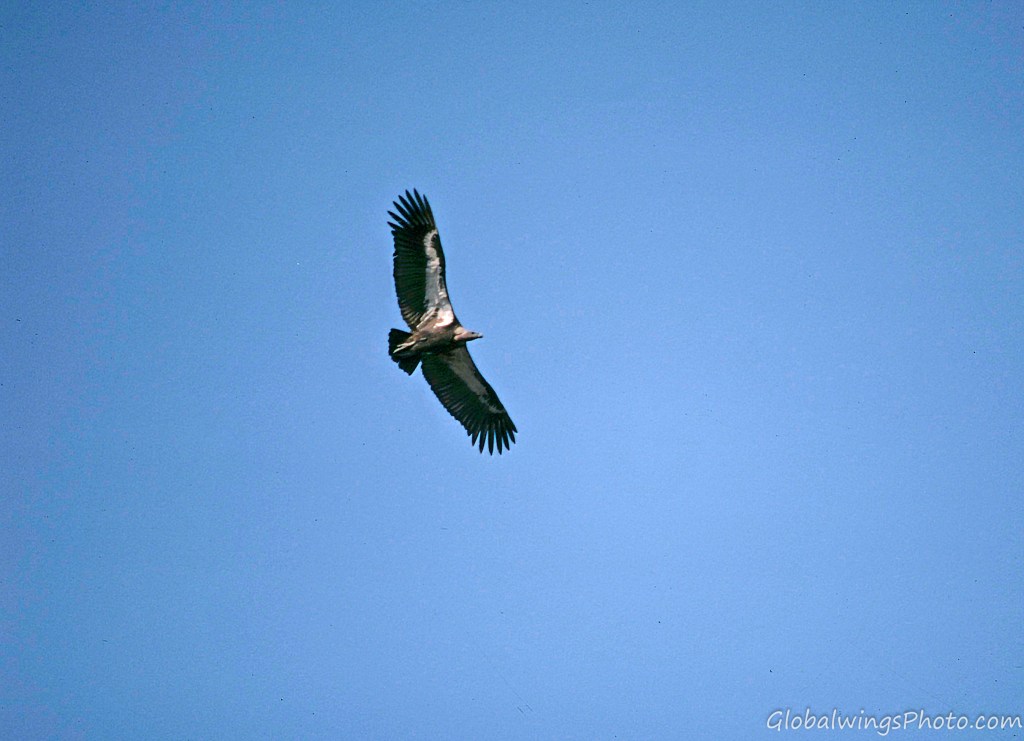
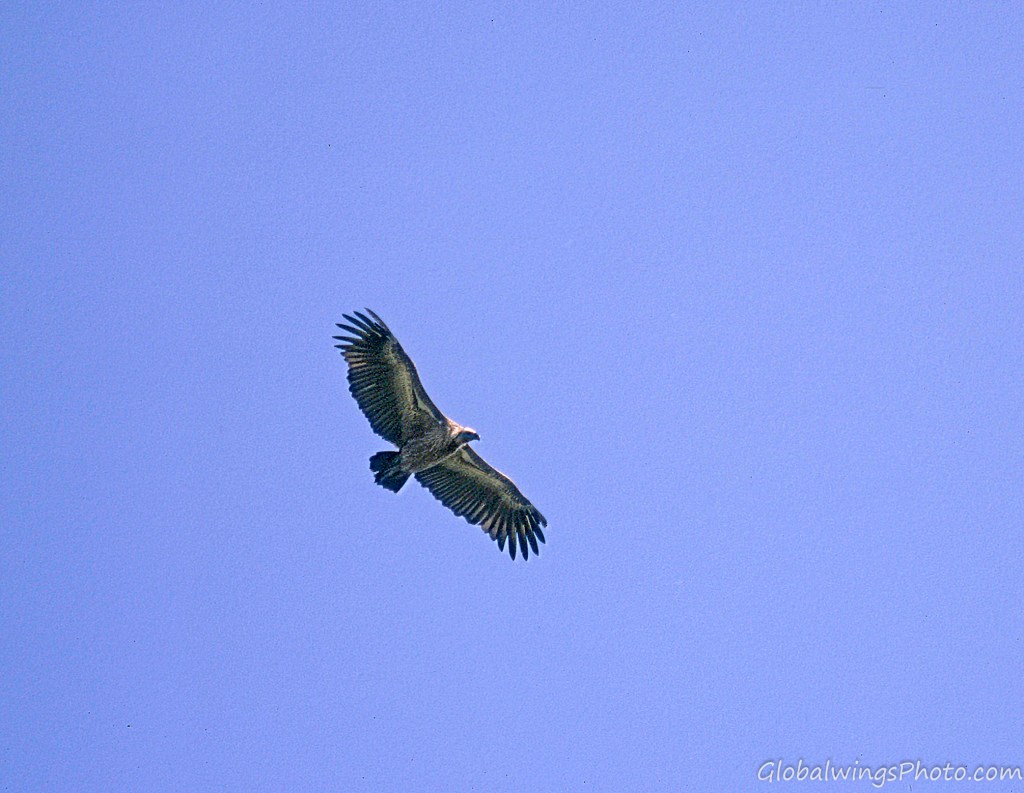
The adult Himalayan Griffon has a whitish head, wings that are very wide, and short tail feathers. Its dark remiges contrast with its pale wing coverts and whitish body. As seen on Photo 31, the juvenile is mainly dark brown. The underwing of the probable 4th year immature on Photo 32 is a mixture of both, having a more adult underwing pattern and juvenile body. The Himalayan Griffon is the second largest of the old-world vultures, after the Cinereous Vulture. Its lifespan is unknown, but vultures live on average for 20-35 years. The RLS is NT, and the PS is estimated to be 100.000-5000.000. The major potential threat to its survival is death from ingesting diclofenac (NSAID) an anti-inflammatory non-steroidal drug widely used for livestock, primarily in South Asia, which causes visceral gout in birds that have eaten contaminated carcasses and results in renal failure.
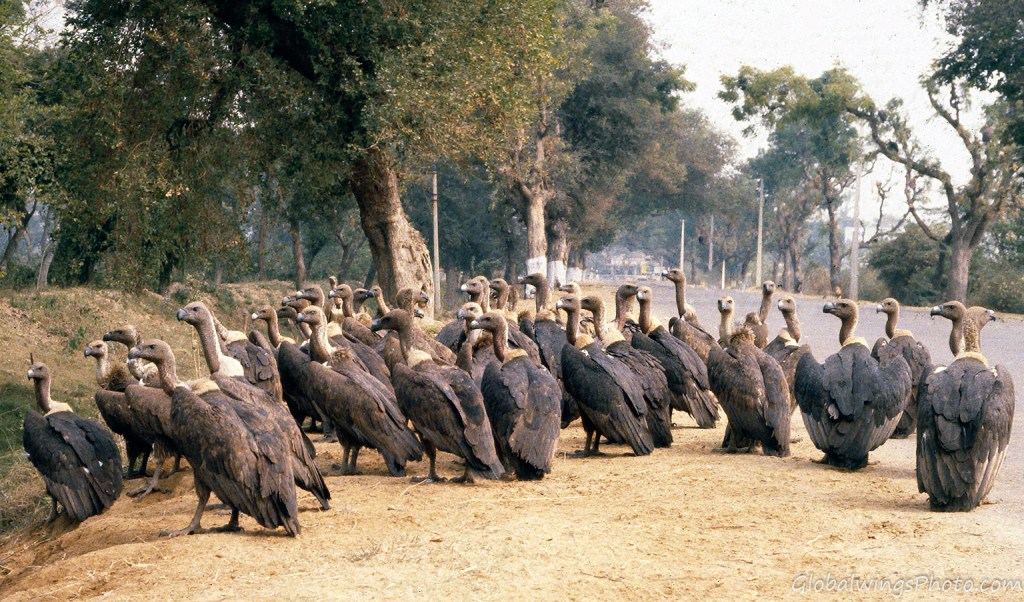
The adult White-rumped Vulture found on Photo 33 is typical, while the juvenile on Photo 34 is similar to both the Indian and Slender-billed vultures. However, the darker and more streaked body should tell them apart. It is estimated that there were 80 million White-rumped vultures in the 1980’s, being thought to be the most abundant large bird of prey in the world. In 2016 the PS was down to less than 10.000. I spent a lot of time in India and Nepal in those days and have experienced this catastrophic decline myself. In those days, the vultures were present all over the cities in large soaring flocks together with Black Kites. Large groups were often perching along roads feeding on cow carcasses (Photo 35), especially in the open dumps. The major reason for this decline is diclofenac, which is toxic for vultures. It was given to working animals to reduce joint pain and keep them working for longer. The drug is believed to be swallowed by vultures with the flesh of dead cattle. Since then, the use of this drug was banned in 2006 and captive-breeding programs for Indian vultures have been started. But it has not stopped the decline. Vultures are long-lived and slow in breeding, so the programs might take decades. The drug is also still sold in the black market and has even started to be used in Africa. The RLS is CR.

 Globalwings Photo